
English|EN
How to Store Wine Properly
2026-04-24 10:59
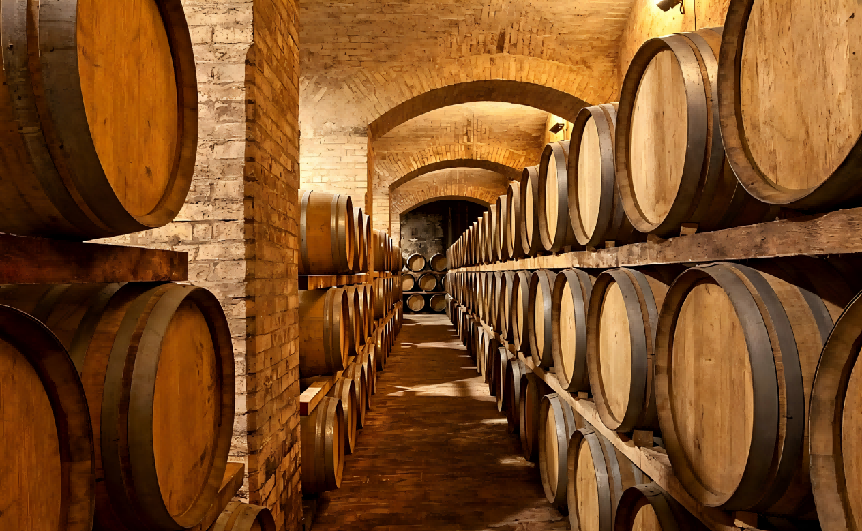
Wine is a living beverage. From bottling and leaving the winery to uncorking and tasting, every bottle of fine wine continues to breathe and evolve inside the glass. Proper storage is the key to preserving this vitality. Whether it is a premium reserve wine or an affordable everyday table wine, improper storage will strip it of its original aroma and flavor. Below we sort out core storage guidelines from five key dimensions: temperature, humidity, light, bottle positioning and vibration.
Temperature: Constant Temperature Is Paramount
The ideal storage temperature for wine ranges from 10°C to 15°C. Excessively high temperatures accelerate oxidation, dissipating fruity aromas and thinning the palate. Overly low temperatures trigger tartrate crystal precipitation, hindering the release of delicate flavors. Most crucially, temperatures must remain steady. Severe temperature swings cause the wine liquid to repeatedly contract and expand, drawing air into the bottle and bringing on premature aging.
At home, cool shaded corners inside wardrobes or dedicated wine cabinets are ideal options. Wines with strong aging potential such as the Huafu Spring & Autumn Series should be stored long-term in a temperature-controlled wine cabinet maintained at roughly 15°C. Everyday table wines like the Qiehe Li Series only require short-term storage in cool, dark spaces.
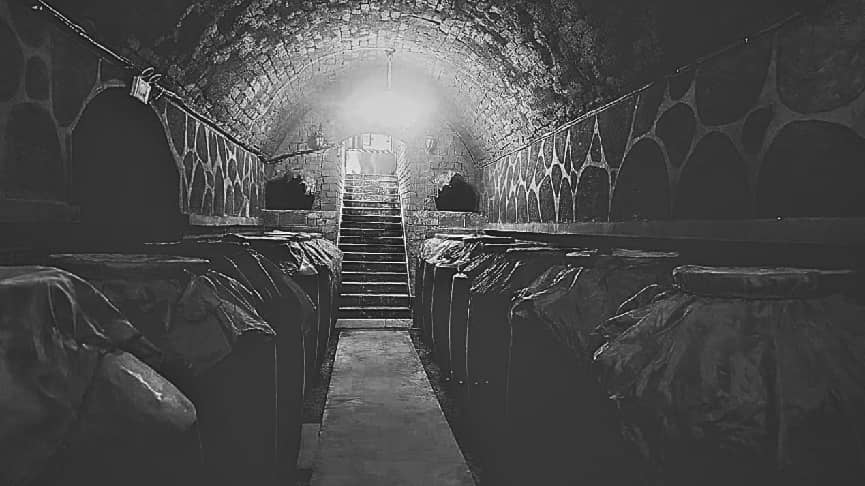
Humidity: Moderate Levels Prevent Mold & Cork Drying
Natural cork stoppers require balanced humidity to stay elastic and airtight. The recommended storage humidity sits between 60% and 75%. Overly dry environments dehydrate corks, causing them to shrink and let oxygen seep into bottles to speed oxidation. Excessively damp conditions lead to mold growth on bottle labels and harmful bacteria forming on corks.
If your living space is dry, place a bowl of water or damp towel near your wine cabinet or storage zone to raise local humidity. The Huafu range uses extended-length natural oak corks that demand stricter humidity control around 70%, ensuring complete airtight protection during years of cellaring.
Light: Complete Darkness Is Non-Negotiable
Ultraviolet rays break down organic compounds in wine, creating an unpleasant "light-struck" odor reminiscent of damp cardboard or boiled cabbage. Dark-tinted glass bottles are standard for wine, yet prolonged intense light exposure will still damage wine quality even with this protection. Incandescent and fluorescent lights both emit UV radiation.
The perfect storage space is fully dark, or lit only by low-UV LED lamps. Enclosed cabinets, basements and wine cellars offer the safest conditions. White wines and rosés housed in clear or pale glass bottles—such as Qiehe Li Dry White and Qiehe Li Rosé—demand stricter light avoidance rules.
Bottle Positioning: Lay Bottles Horizontal; Avoid Long-Term Upright Storage
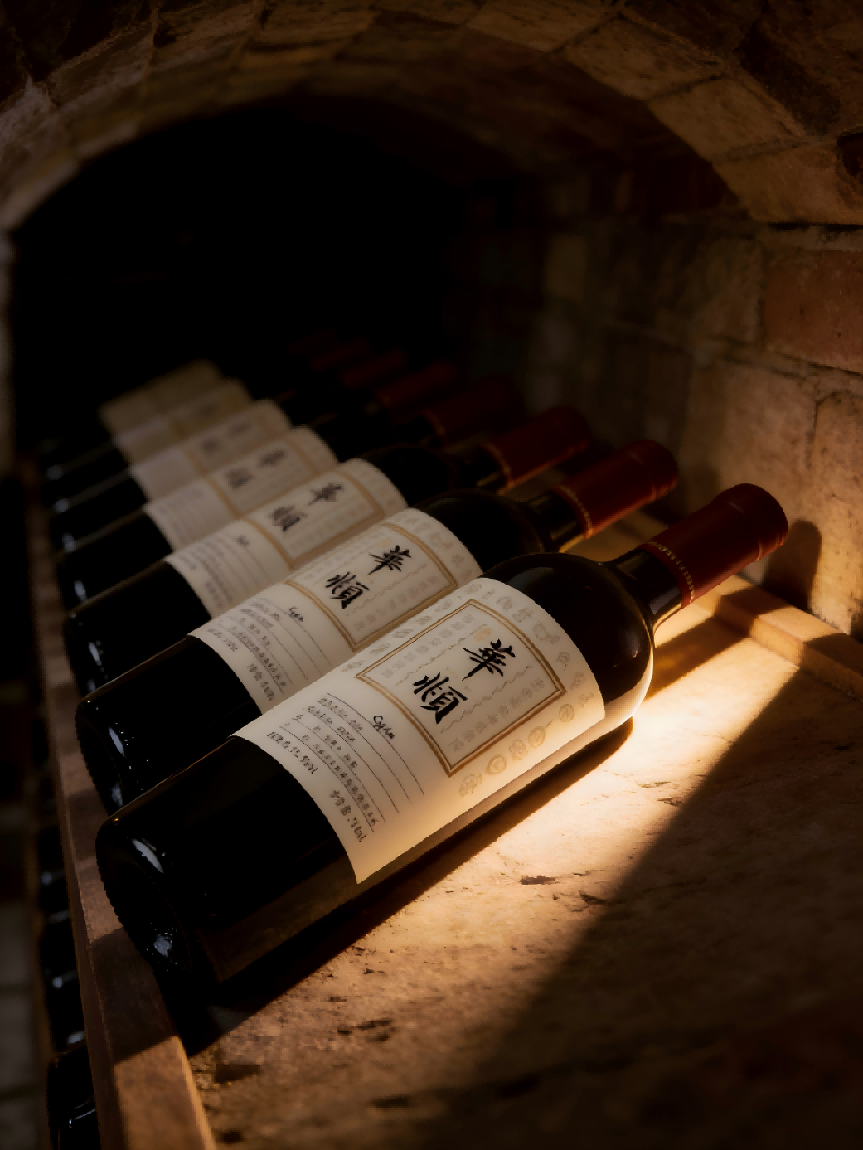
Wines sealed with natural cork stoppers must be stored horizontally for long-term aging. This keeps the wine liquid in constant contact with the bottom of the cork, stopping it from drying out. Wines fitted with screw caps have no such requirement and can be stored either upright or horizontal.
The entire Huafu lineup uses extended natural oak corks and must be laid on their side. The casual LAUMEAD trendy wine range consists of young wines meant for quick consumption and can stand upright, though horizontal storage is advised if you plan to keep them for more than six months.
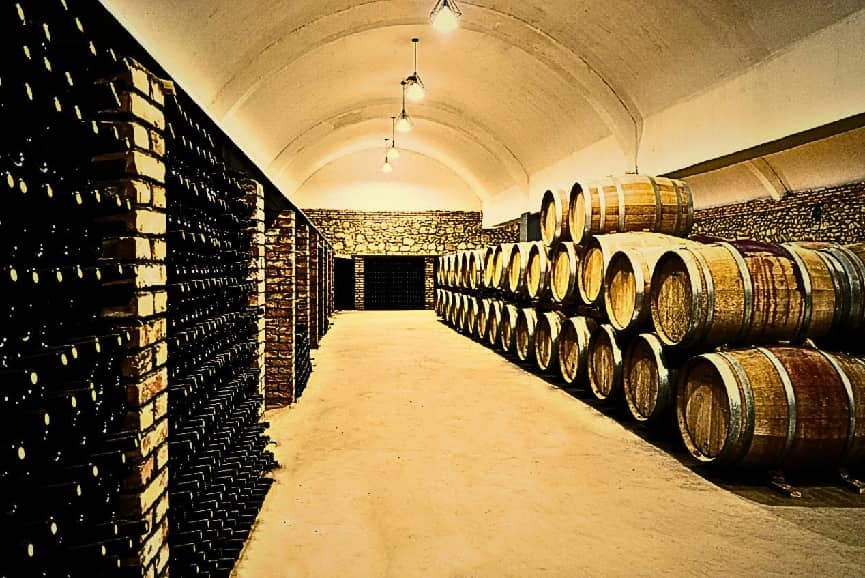
Vibration: Stillness Preserves Fine Flavors
Vibration speeds up polymerization reactions between phenolic compounds and tannins inside wine, roughening the palate and erasing delicate texture. Frequent moving bottles or placing them near vibrating appliances like refrigerators and washing machines damages aging wine. Store wine in a quiet, stable space to let it mature undisturbed—this is the ultimate tribute to flavors shaped by time.
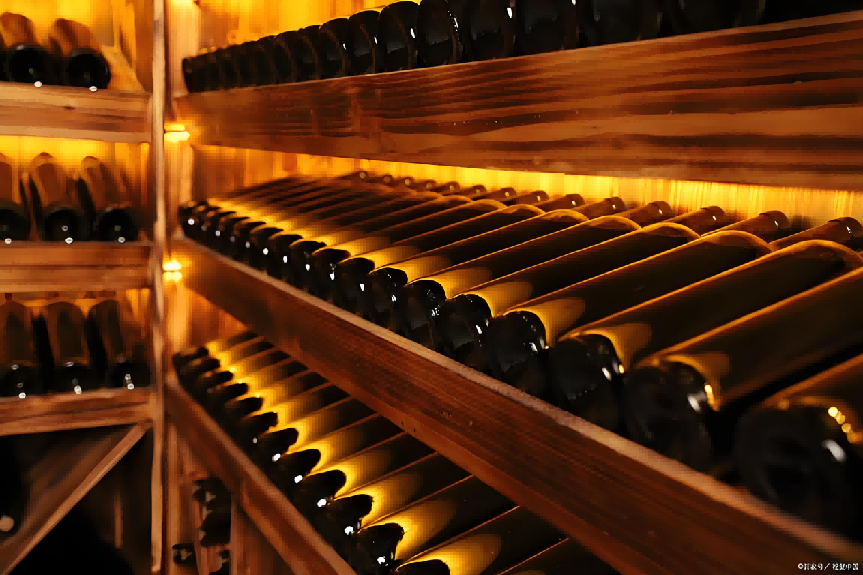
Storage Guidelines After Opening
Once uncorked, wine cannot be preserved for long. Generally speaking, re-sealed dry red wines stay fresh in the refrigerator for 3 to 5 days, as do dry whites and rosés. High-sugar sweet wines such as Petit Manseng can last 5 to 7 days. Vacuum wine stoppers or inert gas (nitrogen) injections can extend shelf life after opening.
Note that refrigerator compartments have low humidity which dries corks quickly. Place opened bottles upright to minimize the liquid’s surface contact with air.
Summary
Every bottle of wine distills unique terroir, vintage character and the winemaker’s painstaking craft. Proper storage is not merely preservation, but respect for this precious gift. The Huafu Spring & Autumn, Mountain & Sea and Landscape Series boast an aging potential of over ten years, deserving stable temperatures, balanced humidity, dark surroundings and quiet cellaring. When the moment comes to uncork, you will taste a perfect wine woven from terroir and time.Born for dreams, crafted to age gracefully.
Name:
Message:
Verification code: 
Submit
Comment

Laumead (Ningxia) Wine Co., Ltd.